SERMs and SARMs are often mentioned together in fitness and bodybuilding discussions, but they serve very different purposes.
SERMs help manage estrogen and restore hormones after steroid cycles. SARMs, on the other hand, are used to boost muscle growth and strength.
Both can affect your hormones, your liver, and your long-term health. Understanding how they work and where they differ is key before using either.
What Are SERMs?
SERMs (Selective Estrogen Receptor Modulators) control how estrogen acts in the body.
They block estrogen in some tissues while activating it in others.
In men, SERMs are mostly used during post-cycle therapy (PCT) after anabolic steroids to restart natural testosterone.
In medicine, they help treat breast cancer and osteoporosis in women.
Common examples: Tamoxifen (Nolvadex) and Clomiphene (Clomid).
What Are SARMs?
SARMs (Selective Androgen Receptor Modulators) bind to androgen receptors, the same ones that testosterone activates.
They aim to increase muscle growth and fat loss without the harsh side effects of steroids.
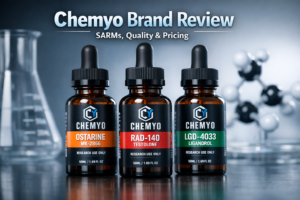
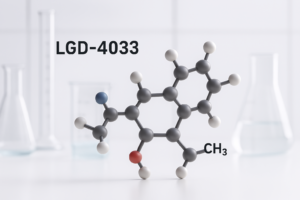
SARMs like Ostarine (MK-2866), RAD-140 (Testolone), and LGD-4033 (Ligandrol) are popular in bodybuilding.
However, they are not FDA-approved and are often sold as “research chemicals.”
Key Differences Between SERMs and SARMs
| Feature | SERMs | SARMs |
|---|---|---|
| Target | Estrogen receptors | Androgen receptors |
| Primary Use | Hormone recovery, breast cancer, bone health | Muscle growth, fat loss |
| Prescription | Legal and FDA-approved for medical use | Often gray-market, not FDA-approved |
| Legal Status | Legal with prescription | Banned in most sports, restricted sales |
| Risks | Blood clots, liver stress, mood swings | Testosterone suppression, liver toxicity |
Summary:
- Use SERMs to recover hormones after a steroid cycle.
- Use SARMs (under medical guidance) for short-term performance enhancement—but understand the risks.
Pros and Cons of SERMs and SARMs
SERMs Pros
- Stimulate natural testosterone production after a cycle
- Prevent gynecomastia and estrogen rebound
- Improve bone density
SERMs Cons
- Risk of blood clots
- Hot flashes and mood changes
- Liver strain if overused
SARMs Pros
- Boost lean muscle and strength
- Fewer androgenic side effects than traditional steroids
- Convenient oral use
SARMs Cons
- Suppress natural testosterone
- Can elevate liver enzymes
- Long-term safety is still unknown
Best Uses and Practices
SERMs
Used mainly for PCT (Post-Cycle Therapy).
- Common drugs: Tamoxifen or Clomiphene
- Typical cycle: 4–6 weeks
- Goal: Restart natural testosterone and prevent estrogen dominance
SARMs
Used in short cycles to increase muscle or reduce fat.
- Common SARMs: Ostarine, RAD-140, LGD-4033
- Cycle length: 6–8 weeks
- Must include PCT afterward to recover natural hormones
Important:
Neither SERMs nor SARMs should be used without medical guidance. Both affect the endocrine system and can cause lasting imbalances if misused.
Common Mistakes to Avoid
- Skipping PCT after SARMs use, leading to low testosterone
- Stacking multiple SARMs or SERMs, increasing side effects
- Treating SERMs as supplements instead of prescription drugs
- Assuming SARMs are safe steroids—they’re not
- Neglecting bloodwork, making recovery guesswork instead of science
Latest Research and Trends
- The FDA is investigating SARMs for illegal marketing in supplements.
- SERMs are being studied for male fertility and bone protection in aging men.
- Some users mix SARMs and SERMs to balance hormones—but this is unsafe without proper lab testing and expert guidance.
Key Takeaways
- SERMs regulate estrogen and help restore testosterone.
- SARMs target androgen receptors for muscle gain.
- Both can stress the liver and disrupt hormone balance.
- Only SERMs are approved for medical use.
- Always use medical supervision and blood testing when dealing with hormone-active compounds.
FAQs
What is the difference between SERMs and SARMs?
SERMs block or activate estrogen receptors, while SARMs target androgen receptors to promote muscle growth. SERMs are legal medications; SARMs are experimental compounds.
Are SARMs safer than steroids?
No. SARMs can suppress testosterone and damage the liver. They may have fewer androgenic effects but remain risky and unapproved for human use.
Do I need a SERM after using SARMs?
Yes. Most SARMs lower natural testosterone, so post-cycle therapy with a SERM like tamoxifen or clomiphene helps restore hormone balance.
Can SERMs build muscle?
No. SERMs don’t build muscle directly. They help restore testosterone levels after suppression, which indirectly supports muscle maintenance.
Are SERMs legal and safe?
Prescription SERMs are legal when prescribed by a doctor. They’re safe under supervision but risky when misused.
What’s the best SARM for bulking?
Ostarine and RAD-140 are popular for bulking cycles, but both suppress testosterone and require PCT afterward.
Sources: