People search for YK-11 because it sits in a confusing space between SARMs and steroidal compounds. Many want to know if it builds muscle, how it works, and what the risks are. Others look for research sources, legal facts, or comparisons with other selective androgen receptor modulators. This guide explains what the science shows so you can understand the compound, its claims, its limits, and its safety profile.
You will learn how YK-11 acts in the body, what current research suggests, how it compares with other compounds, what the reported risks look like, and what common user questions reveal about real-world interest.
What Is YK-11
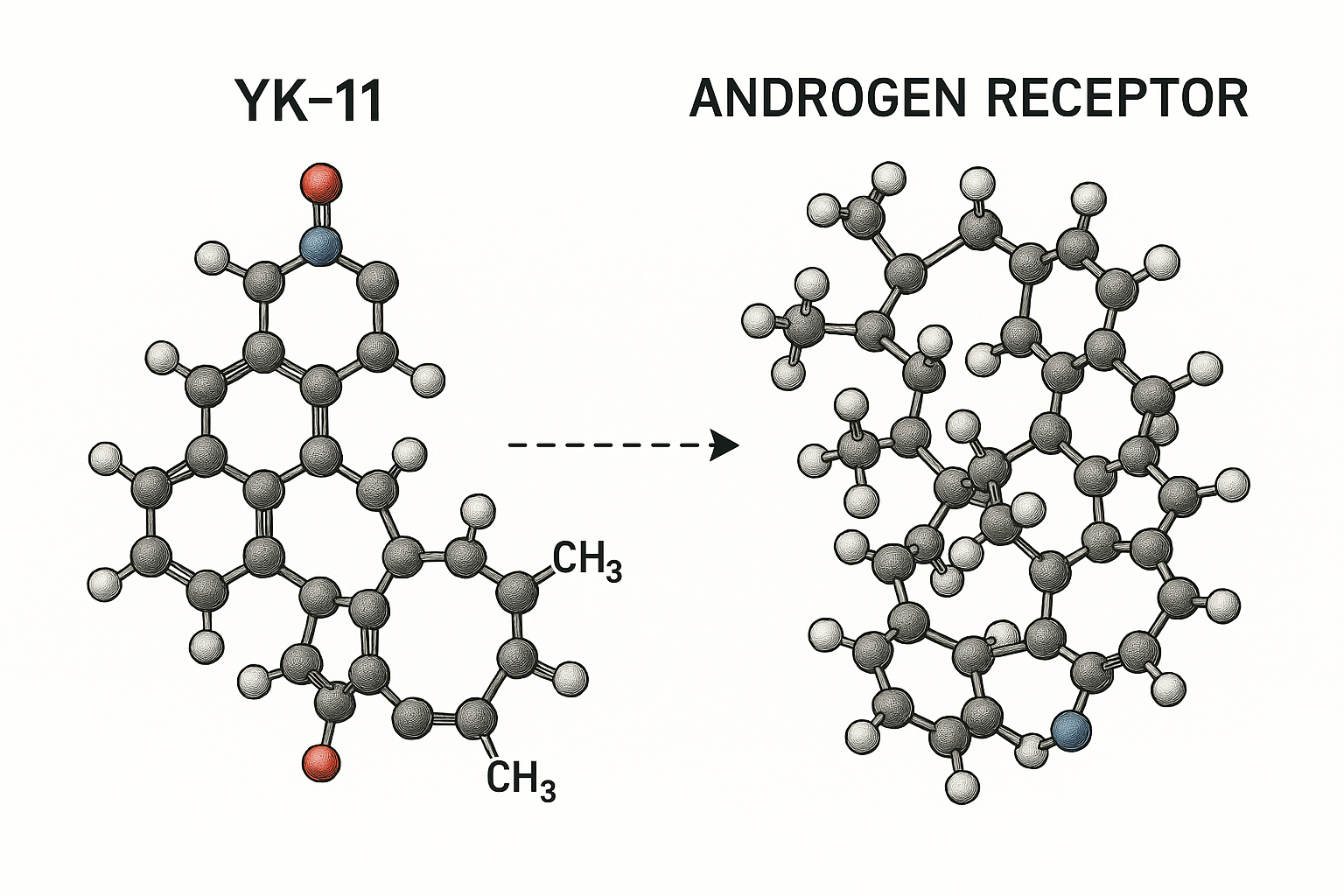
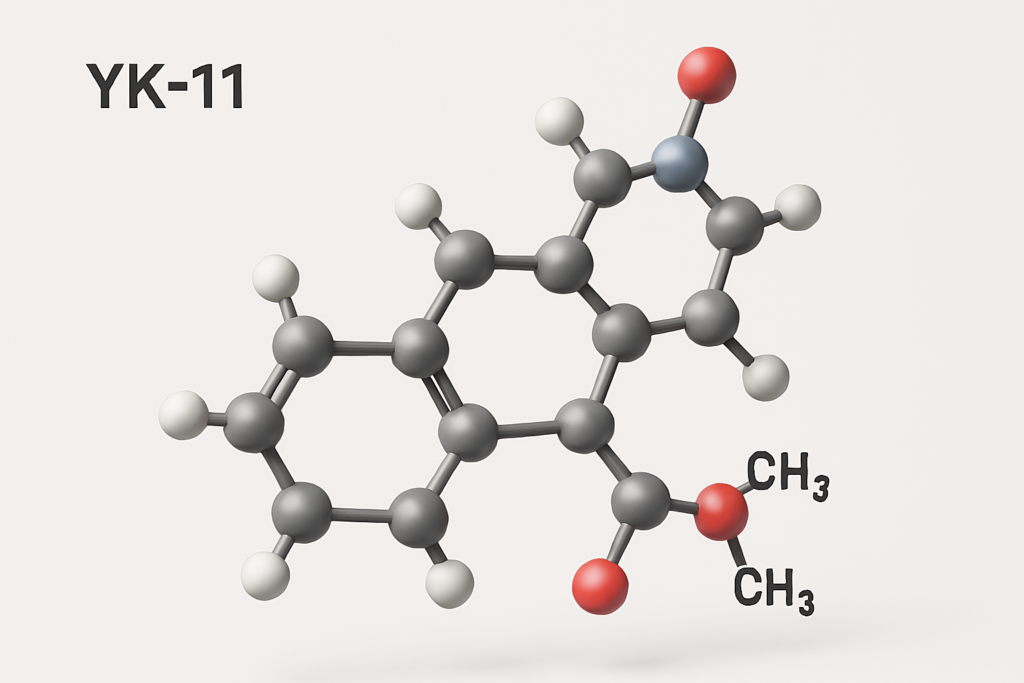
YK-11 first appeared in the scientific literature in 2011. It was created during research into synthetic androgens. It binds the androgen receptor, so many place it in the selective androgen receptor modulator category. It also has a steroidal backbone, which makes its classification complex. Scientists have not confirmed that it behaves like nonsteroidal SARMs such as LGD-4033 or RAD-140.
Researchers have noted its effect on follistatin expression in cell studies. This sparked interest in its possible influence on myostatin pathways. Myostatin controls muscle growth, and suppression of this protein raises the ceiling for muscle tissue development in some models. These early findings drive most claims about the compound.
There are no human clinical trials. All insights come from cell models, animal data gaps, and user reports. This limits confidence in both claims and risks.
YK-11 Benefits
Interest in YK-11 comes from its place in high-volume searches such as “YK-11 benefits and side effects” and “YK-11 mechanism of action.” Claims around benefits come from cell data, theory, and anecdotal reports. These include:
1. Potential influence on myostatin pathways
Researchers observed that YK-11 increased follistatin expression in specific cell models. Follistatin interacts with myostatin. This raised the idea that the compound may reduce the activity of myostatin pathways. The evidence does not extend to controlled human studies.
2. Androgen receptor activity
YK-11 binds the androgen receptor with partial activity in early tests. This may influence muscle protein synthesis in theory. Scientists have not published human data that confirms strength, mass, or performance changes.
3. Bodybuilding interest
Many search terms such as “YK-11 results,” “YK-11 bodybuilding stack,” and “best SARMs for muscle growth” reflect curiosity. User reports describe stronger training sessions and faster muscle growth. These reports do not replace clinical research and cannot confirm real efficacy.
YK-11 Risks
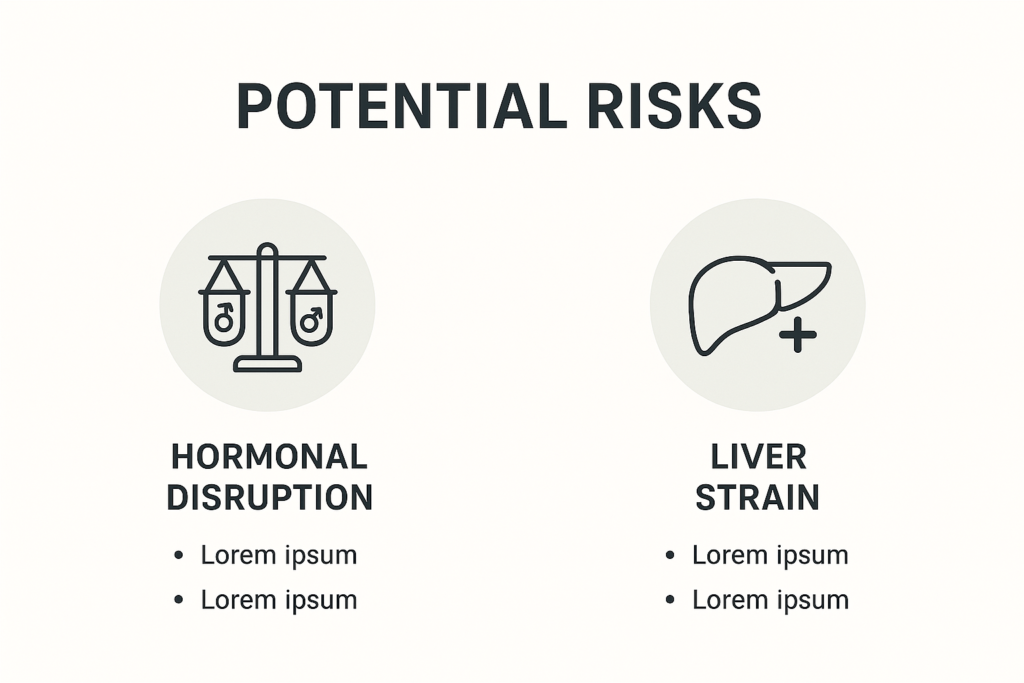
Search clusters around “YK-11 risks,” “YK-11 side effects,” and “YK-11 liver toxicity.” These concerns matter because the safety profile is not clear.
1. Potential liver strain
YK-11 carries a steroidal structure. Some users report signs of liver strain in self-reported blood work. There are no controlled studies that define the risk level.
2. Hormonal disruption
Compounds that bind the androgen receptor can influence natural hormone regulation. Users often discuss possible hormonal changes and search for “best PCT for YK-11.” No scientific consensus exists on the scale or pattern of disruption.
3. Hair loss and skin changes
People ask if YK-11 can cause hair loss or skin effects. Reports vary. No formal data confirms frequency or cause.
4. Joint or tendon discomfort
Some user logs mention joint discomfort. The mechanism is unclear and has not been studied.
5. Unknown long-term effects
YK-11 has no long-term safety data. Many risks fall into an “unknown” category. This includes organ health, hormone recovery, and broader metabolic effects.
How YK-11 Works: What Science Suggests
1. Interaction with androgen receptors
YK-11 binds the androgen receptor with partial activity. This means it triggers some receptor functions while lacking others. This differs from fully active androgens and also differs from well-studied nonsteroidal SARMs.
2. Possible influence on myostatin
Cell studies suggest that YK-11 increases follistatin expression. Follistatin can bind myostatin, which may reduce myostatin signaling. Researchers have not confirmed that this occurs in living systems or that it leads to significant muscle growth.
3. No human trials
The absence of human research affects classification, dosing claims, timing claims, and safety ratings. Search terms like “YK-11 half-life” appear often, yet no verified data exists.
YK-11 vs Other SARMs
People often compare YK-11 with LGD-4033 and RAD-140. These comparisons appear in queries like “YK-11 vs LGD-4033” and “YK-11 vs RAD-140 stack.”
1. YK-11 vs LGD-4033
LGD-4033 belongs to the nonsteroidal SARM group. It has human trial data that examines safety markers and lean mass changes. YK-11 does not. LGD-4033 has a clearer profile, although data is still limited.
2. YK-11 vs RAD-140
RAD-140 is a high-affinity SARM with animal and early trial data. YK-11 shows a more complex structure and an uncertain mechanism. RAD-140 has clearer toxicology notes, although gaps remain.
When comparisons fall short
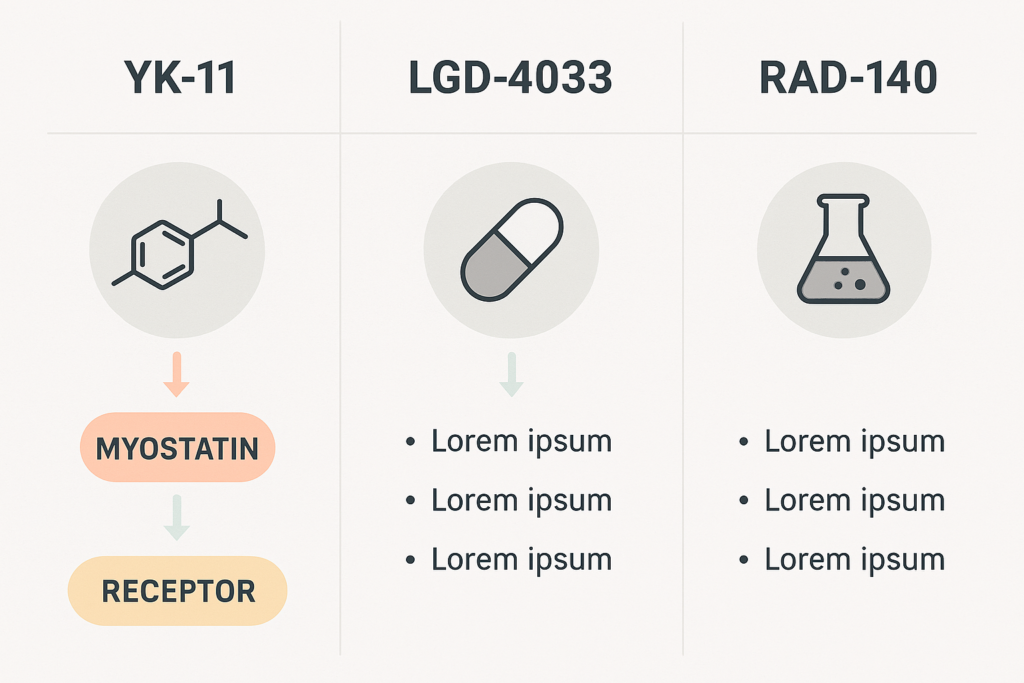
YK-11 and nonsteroidal SARMs behave differently at the chemical level. Comparisons can help organize ideas, but they cannot predict outcomes.
Legal Status and Access
Many search for “buy YK-11 online,” “YK-11 suppliers UK,” and similar queries. Laws vary by country. Many markets classify compounds like YK-11 as research chemicals that cannot be sold for human use. Countries may restrict sales, imports, or marketing. Vendors typically sell the compound for laboratory research only. Buyers should review local regulations to avoid legal issues.
Key Takeaways
- YK-11 is a synthetic compound with partial androgen receptor activity and a steroidal structure.
- Early cell studies suggest a possible influence on myostatin pathways.
- No human clinical data confirm benefits, risks, or long-term safety.
- Reported risks include hormonal disruption, potential liver strain, and unknown long-term effects.
- Legal status varies, and many regions classify it as a research-only compound.
Readers who want to understand related compounds can explore articles on LGD-4033, RAD-140, and SARM classifications to build a clear picture of the broader landscape.
FAQs
1. What is YK-11?
YK-11 is a synthetic androgen that binds the androgen receptor. It has a steroidal structure and appears in research on muscle biology. Human trials do not exist.
2. Is YK-11 a real SARM?
Some describe it as a steroidal SARM because it binds the androgen receptor. Its structure differs from that of nonsteroidal SARMs, so its classification varies.
3. Does YK-11 build muscle faster?
Claims are based on cell studies and user reports. No controlled human evidence confirms that faster muscle growth occurs.
4. What are the side effects of YK-11?
Reports include hormonal disruption, possible liver strain, hair changes, and joint discomfort. These reports do not replace clinical research.
5. Is YK-11 legal?
Laws differ by region. Many places limit sales to research-only markets. Buyers should check local rules.
6. Can YK-11 cause liver damage?
Some users report signs of liver strain. No controlled studies confirm or define the risk.
Read Also: The Complete Guide to YK-11 – Benefits, Risks, and What Science Says