Peptides have exploded in popularity across fitness, biohacking, and anti-aging circles. They promise faster recovery, better muscle growth, and even improved cognition. But behind the hype lies an important question: Are peptides safe to use?
The short answer: it depends—on the type of peptide, your dosage, and where you source it from. Some peptides have strong clinical backing, while others exist in a grey zone of unregulated use. This guide breaks down what science and real users say about peptide safety, benefits, and risks so you can make informed decisions.
🧬 What Are Peptides and How Do They Work?
Peptides are short chains of amino acids—small enough to send targeted signals in the body. They act as messengers, telling your cells to repair tissue, release hormones, or improve metabolism.
Unlike traditional protein supplements, peptides don’t supply raw materials for muscle. Instead, they activate pathways that influence recovery, growth, and longevity.
Common examples include:
- BPC-157 for injury recovery
- CJC-1295 + Ipamorelin for growth hormone release
- GHK-Cu for skin rejuvenation
- Semaglutide for weight loss and glucose control
Each peptide works differently, and that’s where both the promise and the risk come in.
⚖️ Pros and Cons of Peptide Use
✅ Benefits (Science-Backed and User-Reported)
1. Muscle Growth and Fat Loss
Peptides such as CJC-1295 and Ipamorelin stimulate growth hormone (GH) release. Studies show GH helps build lean muscle and reduce fat mass when managed correctly.
2. Tissue Repair and Recovery
BPC-157 and TB-500 are widely used among athletes for tendon and ligament recovery. Animal studies suggest faster healing, reduced inflammation, and gut lining repair.
3. Anti-Aging and Skin Health
GHK-Cu and Epitalon are linked to improved skin elasticity, reduced wrinkles, and possible anti-aging benefits via telomere protection and cellular repair.
4. Cognitive and Mood Support
Selank and Semax, developed in Russia, show potential for reducing anxiety and improving focus. Biohackers report sharper concentration and calmer mood with consistent use.
5. Metabolic and Hormonal Health
GLP-1 agonist peptides such as Semaglutide are FDA-approved for type 2 diabetes and obesity management. They help control blood sugar and reduce appetite.
⚠️ Risks and Safety Concerns
1. Side Effects and Tolerance
Some peptides may cause water retention, joint pain, fatigue, or numbness. Growth hormone secretagogues can increase appetite or cause anxiety and insomnia in sensitive users.
2. Hormonal Disruption
Overuse of GH-releasing peptides can suppress natural GH production and disrupt insulin sensitivity. Proper cycling and bloodwork are essential to prevent imbalance.
3. Unregulated Market Risks
Many peptides are sold as “research chemicals” without quality control. Users have reported mislabeling, contamination, and underdosing from unverified vendors.
4. Injection-Related Complications
Improper injection technique can lead to infection, scarring, or abscesses. Some peptides require refrigeration and precise micro-dosing to stay stable.
5. Behavioral Risks
The chase for fast results can push users into unsafe dosing or continuous use without monitoring hormone markers, leading to long-term metabolic disruption.
🧪 Clinical and Experimental Peptide Applications
🔬 Medically Supported Peptides
- Semaglutide (GLP-1 agonist): Clinically approved for obesity and type 2 diabetes management.
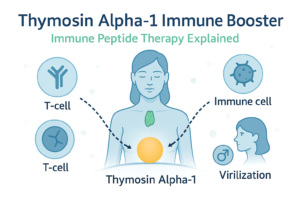
- Thymosin Alpha-1: Used in immune therapy and cancer research for its immune-boosting effects.
- BPC-157 & TB-500: Experimental but popular in regenerative medicine for tissue repair and inflammation control.
🧠 Fitness and Biohacking Use Cases
- Muscle Growth: CJC-1295 and Ipamorelin stacks for GH pulse optimization.
- Recovery: BPC-157 and TB-500 for tendon and joint healing.
- Cognitive Enhancement: Selank and Semax for focus and anxiety reduction.
- Skin Rejuvenation: GHK-Cu peptides in cosmetic formulas to boost collagen and firmness.
These use cases show strong anecdotal support but require cautious, informed use.
✅ Best Practices for Safe Peptide Use
1. Source From Reputable Vendors
Choose suppliers that offer third-party testing and publish purity reports. Avoid peptides labeled “for research only” unless prescribed by a professional.
2. Start Low, Go Slow
Begin with the lowest effective dose. Observe how your body reacts before increasing. Sensitivity varies across users.
3. Cycle Usage
Avoid long-term suppression of natural hormone production. Typical cycles run 8–12 weeks, followed by rest periods.
4. Track Biomarkers
Regular bloodwork is essential. Monitor IGF-1, insulin, liver enzymes, thyroid hormones, and lipid levels to detect imbalances early.
5. Work With a Professional
Consult a licensed medical practitioner or peptide specialist before starting. Proper dosing and medical supervision reduce the risk of adverse effects.
🧩 What Science and Experts Say
Clinical research shows promising therapeutic potential for peptides in metabolism, tissue repair, and immune regulation. However, most studies are small-scale or animal-based.
Experts caution that long-term human data is still limited, and peptides sold outside medical supervision often lack quality assurance.
The takeaway: scientifically, peptides are promising—but not risk-free. Regulation and medical guidance are key to safe, effective use.
🔗 Related Topics
- What Are Peptides? A Simple Guide for Beginners
- How Peptides Work in the Human Body Explained Without Jargon
- Peptides vs Proteins: What’s the Difference and Why It Matters
These articles provide more context on how peptides function and how to combine them safely with nutrition and training.
📘 Key Takeaways
- Peptides offer targeted benefits for recovery, muscle growth, and anti-aging.
- Safety depends on type, purity, and proper dosing.
- Overuse or poor sourcing can lead to hormonal and metabolic issues.
- Use peptides as adjunct tools, not shortcuts, and always pair them with good nutrition, rest, and training.
- Work with professionals, track biomarkers, and prioritize quality over convenience.
❓ Frequently Asked Questions
1. Are peptides legal to use?
Some peptides like Semaglutide are FDA-approved. Others, such as BPC-157 or CJC-1295, fall under research-use-only status in most regions. Check your local regulations.
2. Are peptides safe for long-term use?
Long-term human data is limited. Cycling peptides and monitoring bloodwork help reduce risks associated with hormonal suppression or desensitization.
3. What are the most common peptide side effects?
Water retention, fatigue, appetite changes, and mild joint pain are typical. Improper injection can lead to local irritation or infection.
4. Can I combine multiple peptides?
Yes, but only with guidance. Stacking peptides like CJC-1295 and Ipamorelin is common, but interactions can vary. Professional supervision is advised.
5. How can I ensure peptide quality?
Look for third-party testing, COA (Certificate of Analysis), and transparent ingredient sourcing. Avoid anonymous online sellers or underpriced products.
6. Are peptides suitable for beginners?
Beginners should start with safe, clinically supported peptides and medical supervision. Foundational peptides like BPC-157 or Thymosin Alpha-1 are common entry points.
Final Thoughts:
Peptides are powerful tools—but power demands respect. When used wisely, they can enhance recovery, longevity, and performance. When abused, they carry real risks. The key is knowledge, caution, and a commitment to evidence-based use.