LGD 4033 remains one of the most discussed selective androgen receptor modulators. Readers want clear information on its potential benefits, risks, and research findings. Many people also look for comparisons with Ostarine and other SARMs. This long-form article explains how LGD 4033 works, what clinical data shows, what user reports claim, and how authorities classify it. The goal is to give a full, neutral, and science-focused view that supports informed reading.
What Is LGD 4033 Ligandrol
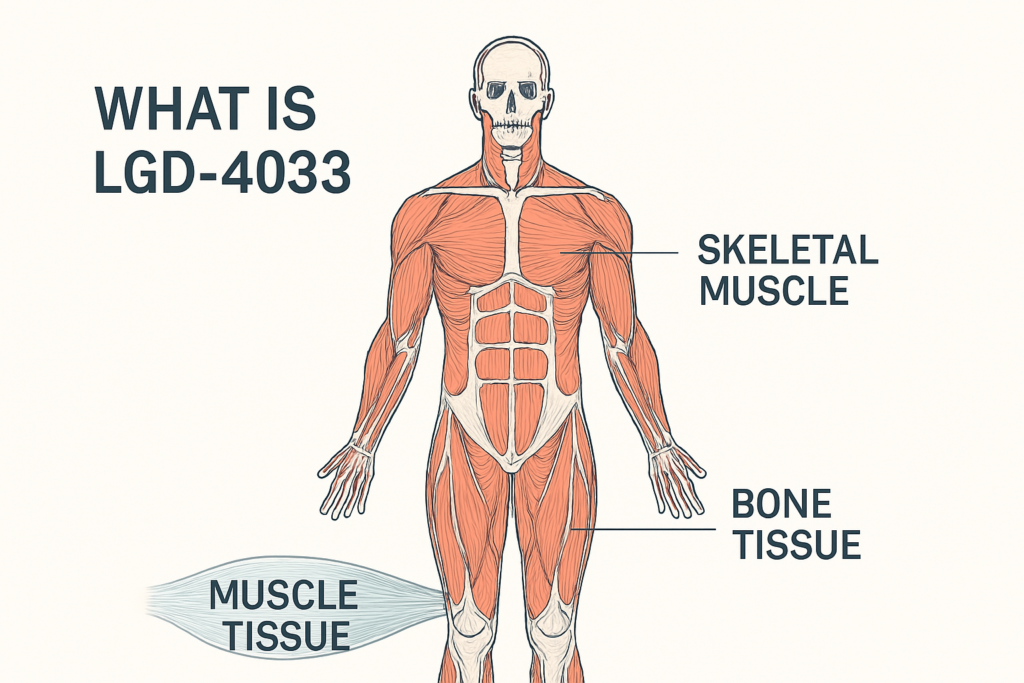
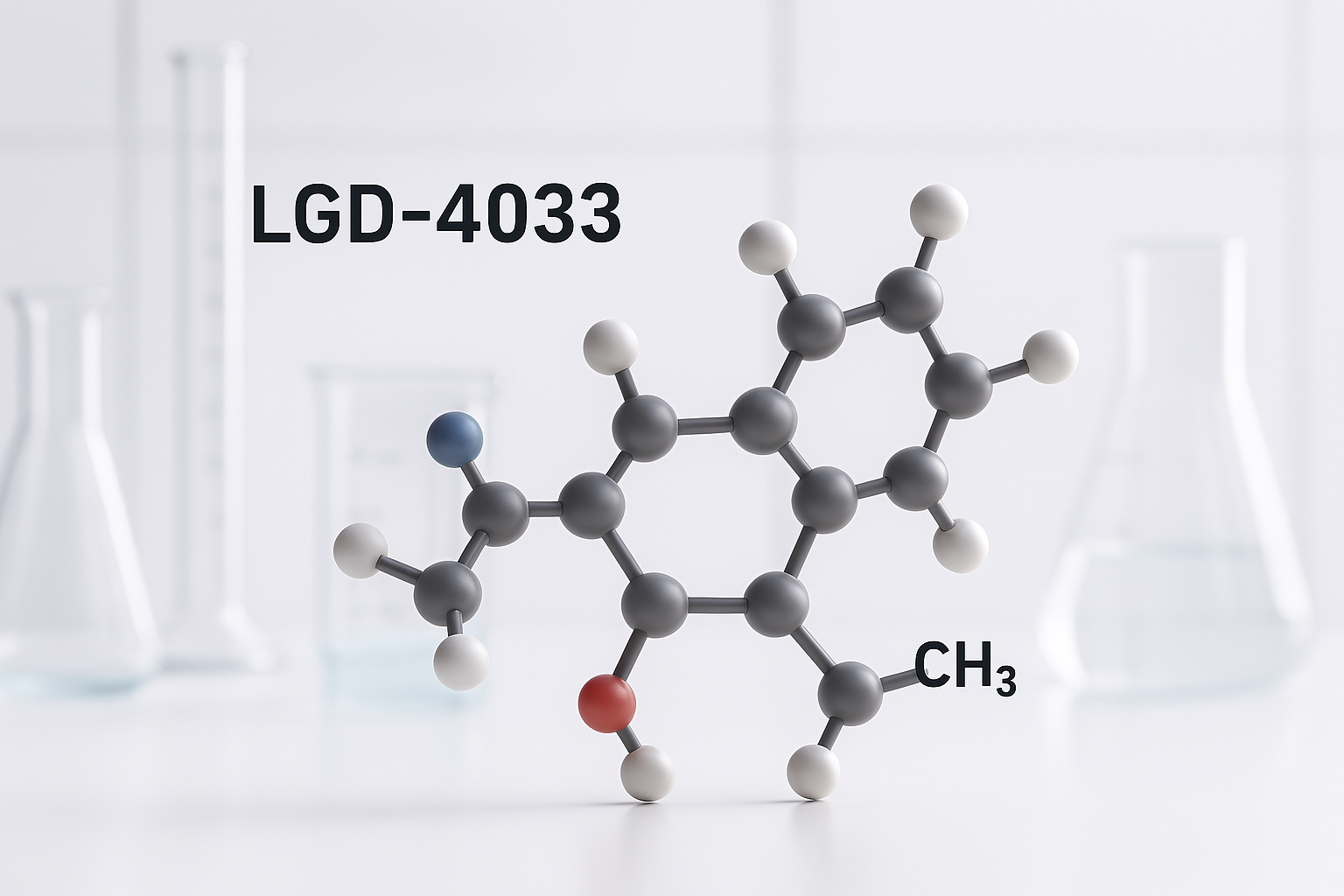
LGD 4033 belongs to the group known as selective androgen receptor modulators. These compounds bind to androgen receptors found in muscle and bone. Researchers developed Ligandrol to study muscle wasting, age-related loss of strength, and recovery needs. Once studies reached public view, interest grew among strength athletes and recreational lifters.
People view LGD 4033 as a strong anabolic alternative because it shows rapid changes in lean mass in short clinical windows. It also shows hormone and lipid changes in the same settings. Readers often search for information on safety, long-term outcomes, and real user effects because the compound sits in a grey zone in consumer markets.
How LGD 4033 Works
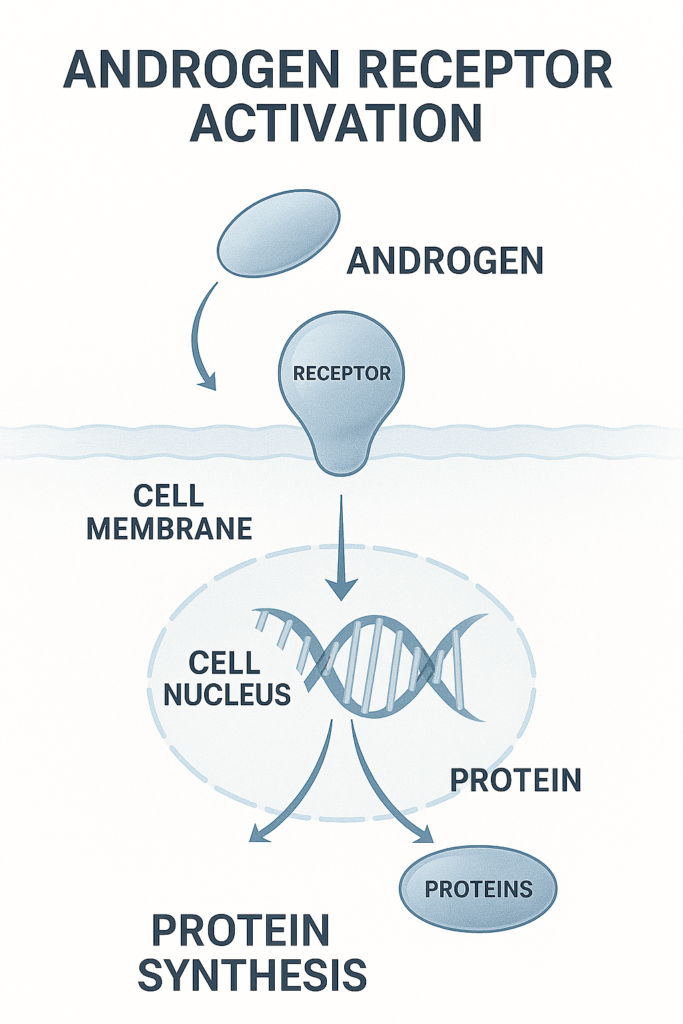
LGD 4033 binds to androgen receptors that regulate skeletal muscle activity. This produces an anabolic signal that increases protein synthesis. It also influences bone density pathways. These actions explain its early use in trials on muscle wasting and frailty.
The key point is selectivity. LGD 4033 does not activate all androgen receptors across the body in the same way as anabolic steroids. Its action focuses on tissues linked to muscle and bone. This selective response creates a profile that differs from broad anabolic agents, yet still affects hormones and metabolic markers.
Sports science research continues to examine how selective androgen receptor modulators act at the cellular level. Much of the work focuses on androgen receptor activation, gene expression, and tissue-specific outcomes.
History of Ligandrol Development
Scientists created LGD 4033 to explore a new route for treating muscle wasting. They wanted a compound that supported lean mass without the full range of steroid-related effects. After early laboratory work, researchers tested the compound in humans. These trials examined absorption, activity, safety, and changes in muscle.

The trials were small and short. They produced results that showed lean mass gains along with mild to moderate shifts in testosterone and lipid markers. These findings pushed LGD 4033 into wider public interest. The training community began discussing it as an anabolic alternative, even though regulators do not approve it for general use.
As online discussions grew, many products began appearing with labels that claimed to contain LGD 4033. Independent checks often found inconsistent purity or mixed compounds. This raised questions about consumer safety and quality control.
Potential Benefits of LGD 4033

1. Lean Mass Gains
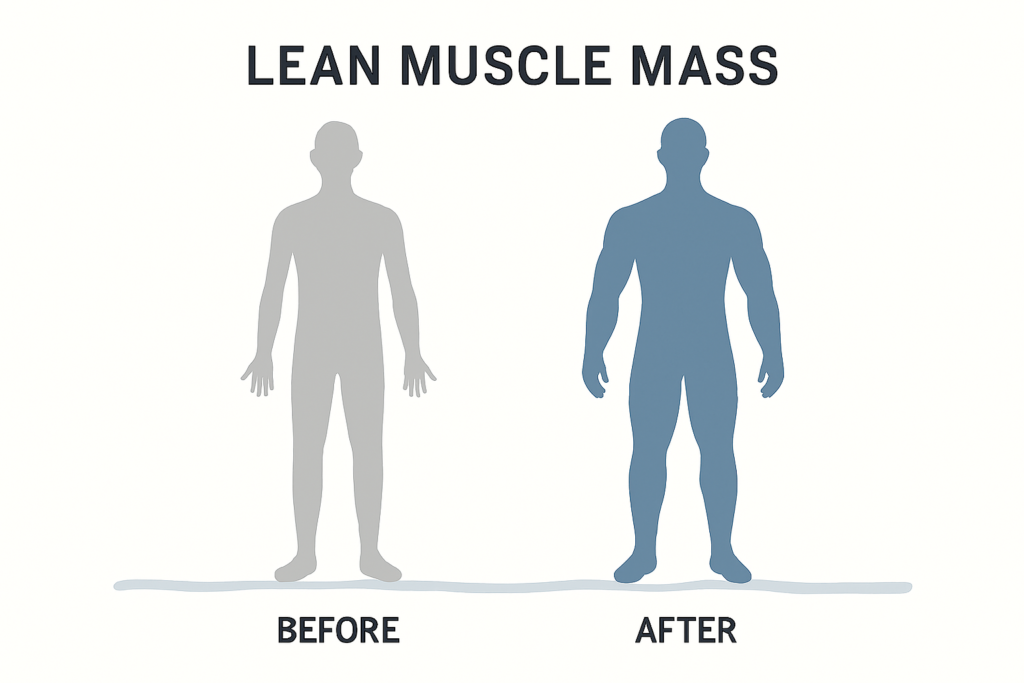
Controlled trials show measurable increases in lean mass over short exposure periods. These changes appear even at low doses. This explains why many people view LGD 4033 as a strong compound for muscle growth. The lean mass gains occur through enhanced protein synthesis and androgen receptor activation.
2. Strength Improvements
Some studies record strength increases in tested groups. User reports describe faster progress in major lifts. These reports vary because training experience, nutrition, sleep, and product quality all influence outcomes.
3. Training Recovery
Many user discussions highlight faster recovery between sessions. They report less soreness and more stable performance across the week. These claims match the anabolic activity seen in research, yet they remain anecdotal.
4. Bone Support
Early research looked at bone density. Androgen receptor activity plays a role in bone growth. LGD 4033 shows a potential for structural support, but studies remain limited.
Risks and Safety Concerns
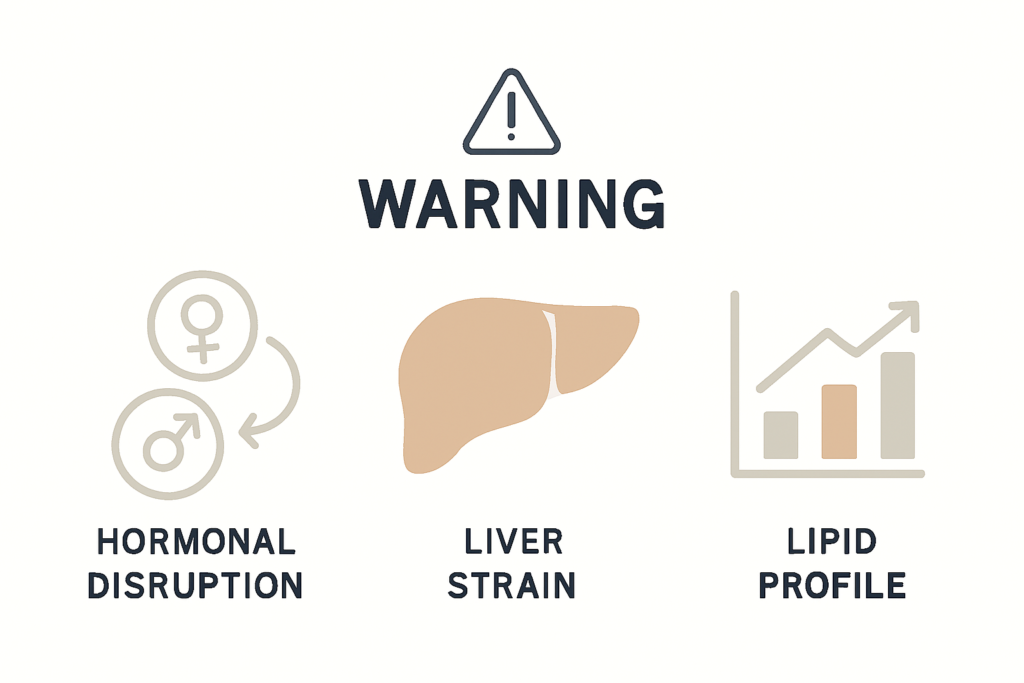
1. Hormonal Suppression
Studies show that LGD 4033 reduces natural testosterone during exposure. This effect appears in both short trials and user reports. People often describe low mood, reduced drive, and changes in libido. The level of suppression depends on dose, length of use, and personal sensitivity.
2. Liver Markers
Some case reports link LGD 4033 to changes in liver enzymes. Not every case shows liver stress, yet the presence of these events means readers should take liver health seriously. Many cases involve mixed products or higher than expected doses, which makes interpretation harder.
3. Lipid Changes
Trials record shifts in lipids. HDL often falls during exposure. Some users also report changes in triglycerides and LDL. These shifts add to long-term risk when combined with lifestyle factors or other compounds.
4. Unknown Long-Term Effects
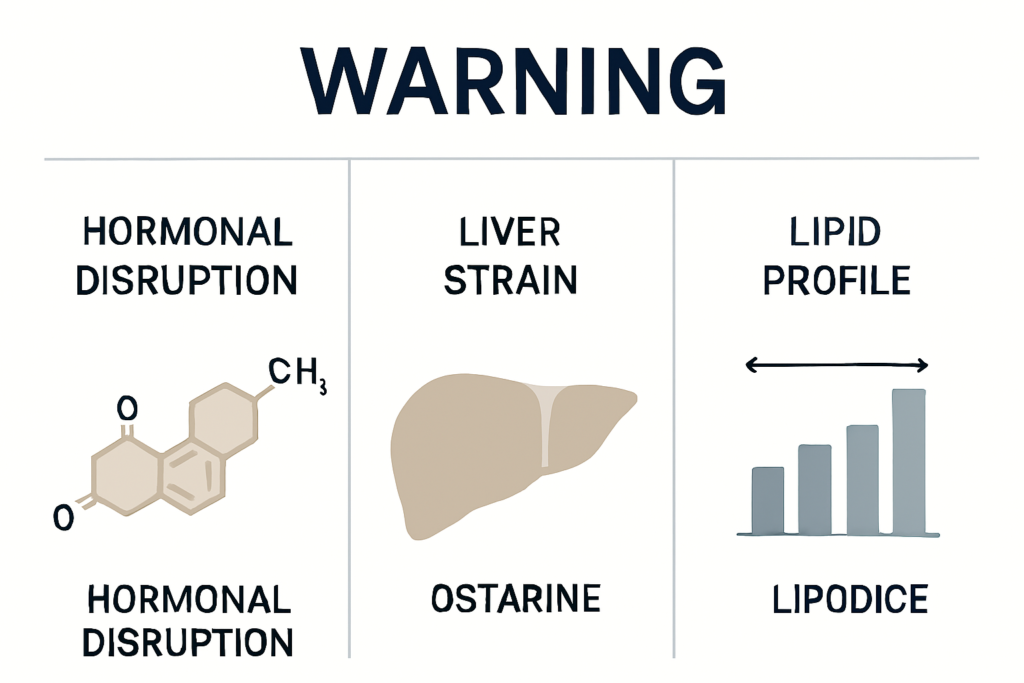
Most human studies are short. They run for weeks, not years. This means researchers cannot confirm long-term safety. Readers should understand that limited data creates uncertainty for health over time.
5. Product Purity Issues
Many products that claim to contain LGD 4033 show mixed content. Independent tests reveal inaccurate doses, contamination, or replacement with other compounds. These issues increase risk because readers cannot predict effects.
5. Sport Restrictions
Athletic groups classify LGD 4033 as prohibited. Testing agencies can detect it in samples. Any use risks a ban from sport. This includes recreational leagues with anti-doping rules.
LGD 4033 vs Other SARMs
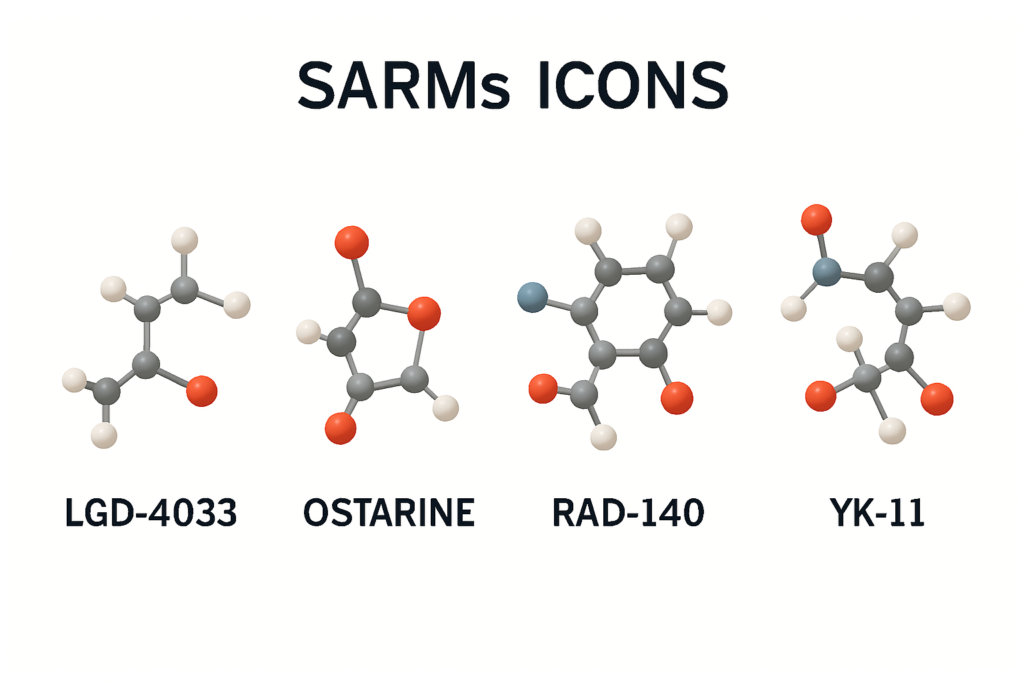
1. LGD 4033 vs Ostarine
Ostarine is often viewed as a mild SARM. It appears in more research and has a longer public record. LGD 4033 shows stronger effects on lean mass and strength. It also shows stronger hormonal suppression. People choose between them based on experience, goals, and risk tolerance, yet both compounds create shifts in endocrine markers.
2. LGD 4033 vs RAD 140
RAD 140 gains attention for its strong anabolic activity. Many users compare the two because they show similar strength patterns. LGD 4033 tends to show more predictable lean mass changes in controlled settings. RAD 140 often attracts users who want rapid strength increases. Both appear on banned lists.
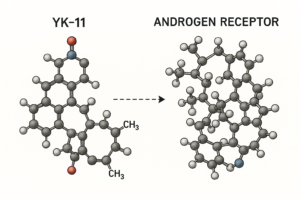
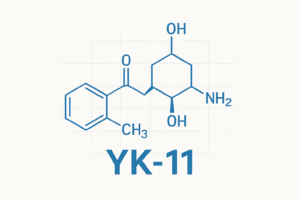
3. LGD 4033 vs YK 11
YK 11 works through a different route that involves myostatin. People often discuss this compound because of its aggressive reputation. LGD 4033 appears to be more studied and more consistent. YK 11 remains poorly researched, which makes safety harder to assess.
4. LGD 4033 vs Anabolic Steroids
LGD 4033 uses selective receptor binding. Steroids act across a wide range of tissues. Steroids carry established risks for liver health, cardiovascular markers, fertility, skin, and mood. LGD 4033 still influences hormones and lipids, but through a different pattern. Readers often view SARMs as a middle ground, yet both groups influence androgen pathways.
User Claims and Real World Reports
Many people share opinions on LGD 4033 in forums and on social media. These posts show mixed experiences.
Positive Claims
- Strength rises within weeks.
- Visible changes in muscle thickness.
- Smoother recovery between sessions.
- Increased focus during training.
Negative Claims
- Fatigue during the day.
- Lower drive and reduced libido.
- Mood swings or irritability.
- Acne or oily skin.
- Sleep disruption.
- Slower recovery after stopping.
Why Reports Differ
Products vary. Some products contain less LGD 4033 than the label claims. Others contain more. Some add other compounds without telling customers. User habits differ, too. Some people use multiple compounds. Others follow inconsistent training programs. These factors create wide variation.
Clinical Research on LGD 4033

1. Short-Term Trials
Early studies record clear increases in lean mass with relatively low exposure. These changes appear within a few weeks. These same studies show a drop in testosterone. The drop reverses after exposure ends, although the timeline varies. Other markers, such as HDL, also fall during use.
2. Safety Reviews
Reviews covering SARMs highlight several concerns. These include liver stress, lipid shifts, endocrine disruption, and unknown long-term outcomes. The reviews often call for more controlled trials.
3. Case Reports
Several case reports link LGD 4033 to liver issues. These cases involve yellowing of the skin, high liver enzymes, and hospital visits. Some cases involve products that contain more than one compound. These reports suggest risk even when a product appears pure.
4. Sports Science Findings
Sports science studies focus on detection. Agencies continue to refine tests that identify LGD 4033 in athletes. These tests detect metabolites that remain in the body for long periods. This means the detection window is longer than many users expect.
Legal Status and Regulation
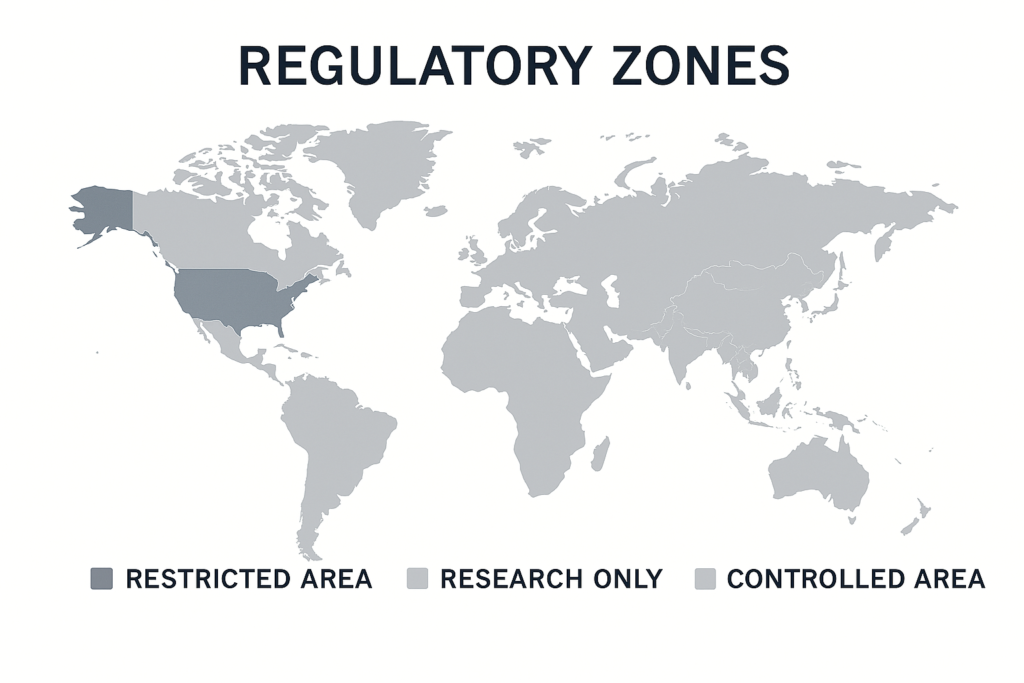
LGD 4033 does not hold approval as a dietary supplement. Many countries classify it as a research chemical. Some restrict sales. Others regulate distribution. Sporting bodies treat it as a prohibited substance.
People often check local rules before they buy any SARM. Terms like “Ligandrol availability in USA”, “LGD 4033 suppliers in UK”, and “SARMs legal status Australia” appear in many online searches. These searches reflect the wide differences in law across countries.
Frequently Asked Questions
1. What is LGD 4033 Ligandrol
LGD 4033 is a selective androgen receptor modulator. Researchers study it for its potential to influence muscle and bone.
2. Is LGD 4033 legal?
Legal status depends on location. Many regions restrict SARMs. Sporting bodies classify LGD 4033 as prohibited.
3. Does LGD 4033 cause side effects?
Studies show hormonal changes. Some reports mention liver and lipid shifts. User posts list fatigue, mood changes, acne, and sleep changes.
4. Is LGD 4033 better than Ostarine?
LGD 4033 shows stronger anabolic signals in research. Ostarine appears milder. Both influence hormones.
5. How long does LGD 4033 stay detectable?
Sports science research shows long detection windows. Testing agencies identify metabolites well after exposure ends.
6. How does LGD 4033 compare with anabolic steroids?
LGD 4033 targets androgen receptors in a selective manner. Steroids act across a wider range of tissues. Both influence anabolic pathways and hormones.
Conclusion
LGD 4033 shows clear anabolic activity in controlled trials. It also shows hormonal suppression and changes in liver and lipid markers. User reports add both positive and negative claims. Regulatory bodies continue to restrict the compound. This long-form guide gives you a full view of how LGD 4033 works, what research shows, and what risks exist. You can explore related guides on SARMs, safety, and comparisons for deeper learning.
Related Articles: The Complete Guide to YK-11 – Benefits, Risks, and What Science Says