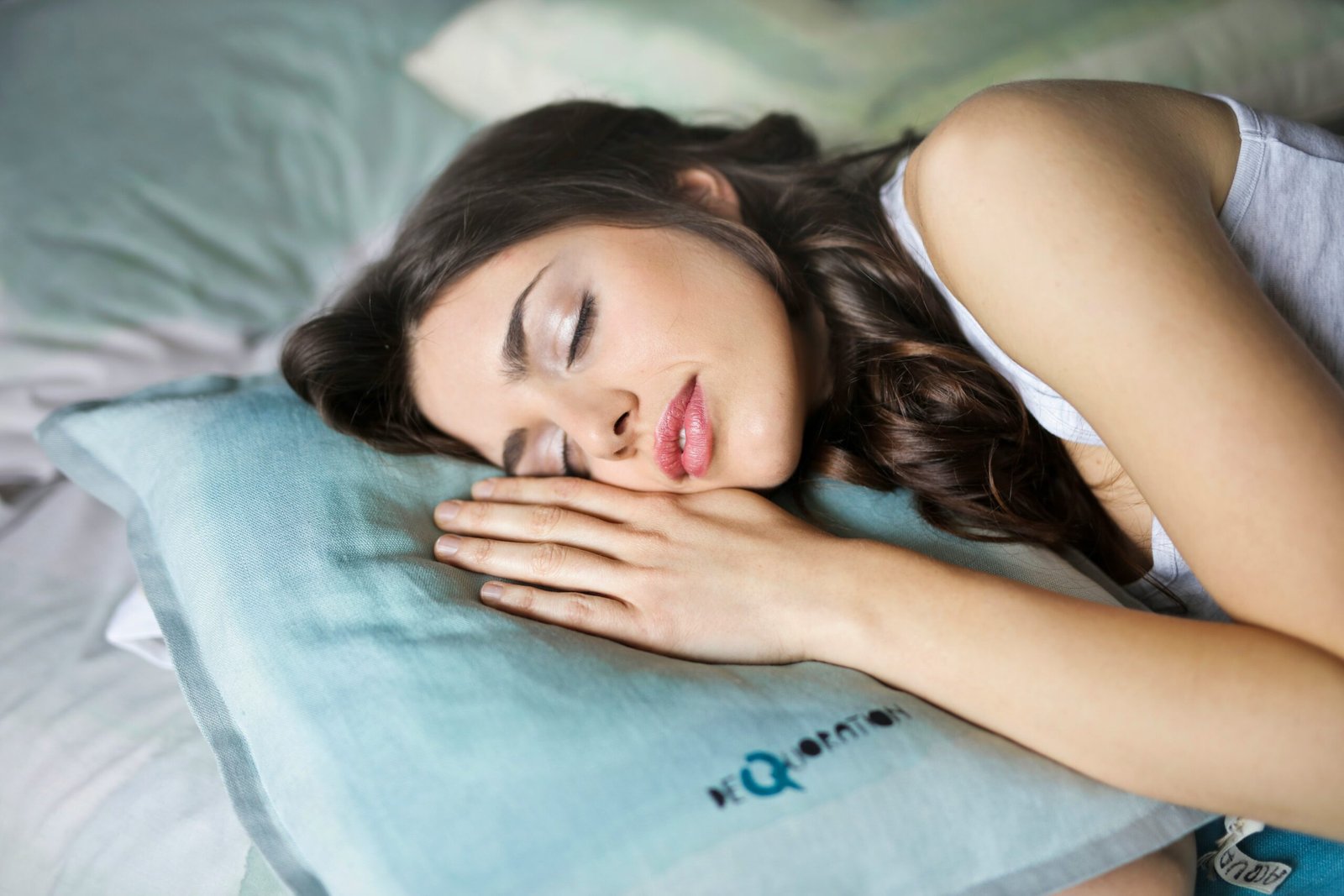
Good sleep builds a sharp mind, stable mood, and healthy body. When you sleep, your brain resets, clears waste, and strengthens memory. Many people still struggle with falling asleep, staying asleep, or waking up refreshed.
Sleep nootropics support relaxation, calm the nervous system, and improve sleep quality without sedation. They help you sleep in a natural way instead of forcing unconsciousness like many sleep pills.
This guide explains how three top sleep nootropics work.
You will learn how to use Magnesium L-threonate, L-theanine, and GABA before bed to improve sleep depth, recovery, and next-day focus.
Why Use Sleep Nootropics
Many people want better sleep without habit-forming drugs.
Sleep nootropics appeal to people who:
- Wake up tired
- Feel wired at night
- Train hard and need recovery
- Run high stress levels
- Deal with insomnia
- Want natural support, not drugs
Modern sleep stacks focus on brain chemistry, stress control, and neurotransmitter balance.
Sleep support works best when you combine calming compounds with good sleep habits:
- Dim lights in the evening
- Avoid screens one hour before bed
- Keep your room cool and dark
- Maintain consistent sleep and wake times
- Avoid caffeine late in the day
Nootropics support your routine, they do not replace it.
Three Best Sleep-Friendly Nootropics
1. Magnesium L-Threonate
Magnesium supports more than 300 body functions.
Magnesium L-threonate is special because it crosses the blood-brain barrier. That means it reaches brain tissue more effectively than other forms.
How it helps
- Calms neural activity
- Improves sleep quality
- Supports synaptic plasticity
- May aid memory processing during sleep
This form works over time. It supports long-term sleep health instead of instant drowsiness.
Best use
- Take 1 to 2 hours before bed
- Dose around 1 to 2 grams of magnesium L-threonate powder or 2 to 3 capsules depending on product strength
Expect smoother sleep cycles and calmer thinking at night.
2. L-Theanine
L-theanine is an amino acid from tea leaves.
It promotes calm alertness and supports alpha brain waves associated with relaxed focus.
How it helps
- Smooths anxious thoughts
- Lowers stress hormones
- Helps the brain shift toward sleep mode
- Combines well with Magnesium and GABA
L-theanine does not knock you out. It quiets thoughts so sleep feels natural.
Best use
- Take 30 to 60 minutes before bed
- Dose 100 to 300 mg
More is not always better. Too much can give a light buzz that delays sleep.
3. GABA
GABA is the brain’s primary calming neurotransmitter.
It signals the nervous system to slow activity and prepare for rest.
How it helps
- Reduces neural activity
- Helps initiate sleep
- Fast onset effect
Oral GABA absorbs poorly on its own, but enhanced forms show better effects.
Look for liposomal GABA or GABA blended with niacin.
Best use
- Take 15 to 30 minutes before bed
- Dose 100 to 300 mg
Some people feel nothing. Others fall asleep faster. Response varies.
Best Sleep Stack and Timing
Many people use all three for a smooth transition to sleep.
Simple night routine
| Supplement | Timing | Benefit |
|---|---|---|
| Magnesium L-threonate | 1–2 hours before bed | Brain calm and long-term sleep support |
| L-theanine | 30–60 minutes before bed | Anxiety control and mental relaxation |
| GABA | 15–30 minutes before bed | Faster sleep onset |
You can also add:
- Apigenin 50 mg to quiet the nervous system
- Glycine 2 to 3 grams to cool the body and deepen sleep
Most sleep stacks work best when used daily.
Common Mistakes
Avoid common errors that reduce results.
1. Using GABA alone
Some people do not respond to oral GABA without enhanced delivery.
2. Dosing too much L-theanine
High doses can make you feel mentally alert.
3. Expecting instant results from Magnesium L-threonate
It supports sleep quality across days and weeks.
4. Taking supplements at the wrong time
Timing matters. Staggering doses improves results.
Who Benefits Most
This stack suits people who:
- Struggle with racing thoughts
- Wake in the night
- Feel wired but tired
- Lift or train in the evening
- Work high-stress jobs
- Want natural sleep support
Athletes, biohackers, shift workers, and students often report better recovery, clearer mornings, and steadier energy.
What People Notice
Users often report:
- Calm mind before bed
- Faster sleep onset
- Deeper, more restful sleep
- Better mood on waking
- Improved focus the next day
Results tend to build over time as sleep cycles normalize.
Who Should Be Careful
People on prescription sedatives, SSRIs, or anti-anxiety medication should speak with a health professional before mixing compounds.
This is not medical advice and supplements do not treat medical conditions.
Key Takeaways
- Sleep nootropics support natural rest, not sedation
- Magnesium L-threonate works long term to improve sleep quality
- L-theanine calms the mind
- GABA helps trigger sleep onset in some people
- Timing and dosing matter
- Best results come from stacking and consistent use
Better sleep leads to better mood, higher focus, and strong recovery.
You can explore more nootropic guides like:
FAQs
1. What is the best nootropic for sleep?
Magnesium L-threonate, L-theanine, and GABA work well together.
Magnesium supports long-term sleep quality.
L-theanine calms the mind.
GABA helps initiate sleep.
2. Can you take these every night?
Yes. Many people use them daily as part of their nighttime routine.
3. Will they make me groggy in the morning?
These supplements support natural sleep.
They do not force sedation, so most people wake clear.
4. Can you combine sleep nootropics with melatonin?
Yes, but start with low melatonin dosing if you use it.
Many people prefer sleep nootropics alone because melatonin can cause grogginess.
5. Do sleep nootropics work right away?
GABA and L-theanine act quickly.
Magnesium L-threonate builds effect over time.
5. Are these safe?
They are widely used and well-tolerated.
People on medication should consult a health professional.