Peptides are becoming popular in fitness, skincare, and health circles. You see them in anti-aging creams, recovery stacks, and even medical treatments. But what are they? And why are so many people talking about them?
This guide explains peptides in simple terms. You’ll learn what they are, how they work, their real benefits, and how to use them safely.
What Are Peptides?
Peptides are short chains of amino acids, the same building blocks that make up proteins. When these amino acids link together—usually between 2 and 50—they form peptides. When they get longer than 50, they’re considered proteins.
You can think of peptides as “mini-proteins” that act as messengers in your body. They tell your cells what to do—whether it’s to grow, repair, or produce hormones.
Your body naturally produces many different peptides. Scientists can also create synthetic peptides in labs for use in medicine, cosmetics, and sports recovery.
How Peptides Work
Peptides work by sending signals to your cells. They attach to receptors on cell surfaces and tell the body to start a specific action—like producing collagen, healing tissue, or releasing hormones.
Each peptide has a unique role. For example:
- Insulin (a natural peptide) helps control blood sugar.
- BPC-157 encourages tissue repair and recovery.
- Matrixyl helps boost collagen in the skin.
Because peptides break down quickly in the body, they usually act locally and for a short time. That’s why many are given through injections, nasal sprays, or topical creams instead of pills.
Main Types of Peptides and What They Do
Different peptides have different uses. Here’s a quick breakdown:
1. Medical Peptides
Used in medicine for treating specific conditions:
- Insulin – Regulates blood sugar in diabetics.
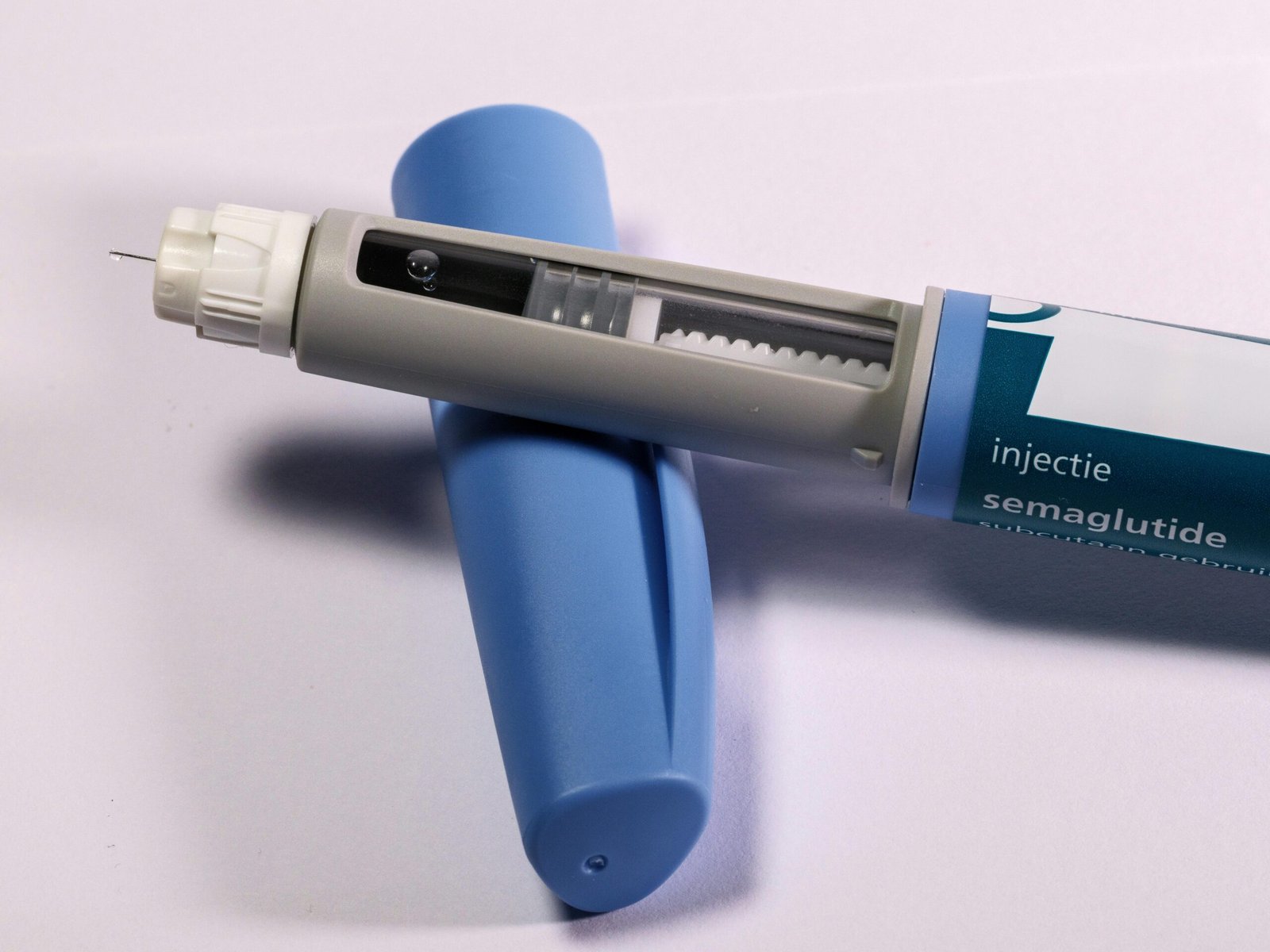
- GLP-1 analogs – Help with weight control and glucose balance.
2. Fitness and Recovery Peptides
Used to support muscle repair, joint health, and fat loss:
- BPC-157 – Promotes tissue healing.
- TB-500 – Helps muscle and tendon recovery.
3. Growth Hormone Peptides
Stimulate the natural release of growth hormone:
- GHRP-2, GHRP-6, and Ipamorelin – Support muscle growth, recovery, and better sleep.
4. Cosmetic Peptides
Common in skincare for anti-aging:
- Matrixyl – Increases collagen and reduces wrinkles.
- Argireline – Helps relax facial muscles to reduce fine lines.
5. Cognitive and Mood Peptides
Target the brain for focus, mood, and memory:
- Semax – Improves mental clarity and focus.
- Selank – Reduces stress and anxiety.
Benefits of Peptides
When used correctly, peptides can offer several real, evidence-backed benefits.
- Faster Recovery – Certain peptides help repair tissues, tendons, and ligaments after injury or intense exercise.
- Improved Skin Health – Cosmetic peptides boost collagen and improve elasticity.
- Better Hormone Balance – Some peptides naturally support testosterone or growth hormone production.
- Increased Fat Loss and Muscle Gain – Growth hormone-releasing peptides help improve body composition when combined with good nutrition and training.
- Enhanced Cognitive Function – Nootropic peptides like Semax and Selank support focus, memory, and stress control.
Peptides help your body work more efficiently. Instead of forcing change, they encourage natural balance and repair.
Drawbacks and Risks
Even though peptides sound promising, they’re not perfect.
- Short-acting – They break down quickly and often need frequent use.
- Not effective orally – Most peptides don’t survive digestion, so injections or nasal sprays work better.
- Quality control issues – Many peptides online are sold as “research chemicals,” which can mean poor quality or contamination.
- Limited research – Long-term human studies are still limited for many peptides.
- Possible side effects – Some peptides may cause headaches, fatigue, or mood changes depending on the dose and type.
Always use medical-grade products from trusted sources and consult a healthcare professional before starting.
Best Practices When Using Peptides
To get the best results safely, follow these simple rules:
- Know your goal.
Be clear about why you want to use peptides—healing, muscle repair, skin improvement, etc. - Work with a qualified doctor.
Peptides affect hormones and cell signaling. Medical guidance helps prevent mistakes. - Check product quality.
Only buy peptides that are third-party tested and pharmaceutical grade. - Start low.
Begin with the lowest effective dose and see how your body reacts. - Use proper delivery.
Inject subcutaneously, apply topically, or use nasal sprays as recommended. - Track your progress.
Keep a log of how you feel and, if possible, monitor hormone levels with bloodwork. - Cycle peptides.
Take breaks between cycles to avoid tolerance and overstimulation. - Avoid stacking too many peptides.
Mixing several compounds without a plan increases the risk of side effects.
Beginner-Friendly Peptides
If you’re new, start simple. The following peptides are easier to manage and widely used:
- Matrixyl (topical) – Safe for skincare and easy to apply daily.
- BPC-157 – Useful for injury recovery and inflammation reduction.
- Semax or Selank (nasal) – Good for focus, memory, and stress management.
These options are mild, effective, and well-documented compared to complex growth or hormone stacks.
Peptides vs Other Compounds
Peptides vs Proteins
Peptides are short and specialized. Proteins are long and perform broader functions like building muscle or carrying oxygen. Peptides focus on signaling specific actions, while proteins handle structure and function.
Peptides vs SARMs
SARMs (Selective Androgen Receptor Modulators) act on muscle-building receptors. Peptides influence many body systems beyond muscle, such as recovery, hormones, and brain function. SARMs are more anabolic, while peptides are more regulatory.
Peptides vs Steroids
Steroids force strong anabolic growth but often come with harsh side effects. Peptides support natural processes, offering slower but safer improvements in recovery, energy, and appearance.
Common Misconceptions About Peptides
- “Peptides are steroids.” False. They don’t work like anabolic steroids.
- “All peptides are safe.” Not true. Safety depends on the compound, dose, and quality.
- “Peptides give instant results.” Wrong. Most take weeks of consistent use.
- “You can buy any peptide online.” Dangerous. Many unregulated peptides may be fake or contaminated.
- “Peptides work the same for everyone.” They don’t. Results depend on your genetics, health, and protocol.
Real-World Uses of Peptides
- Athletes use BPC-157 or TB-500 for faster recovery after injury.
- Fitness enthusiasts combine GHRP peptides with proper training for better sleep, energy, and muscle tone.
- People with skin concerns apply peptide serums like Matrixyl for smoother, younger-looking skin.
- Clinics use Semax and Selank to support focus and mental health.
- Doctors prescribe peptides like insulin or GLP-1 for diabetes and weight control.
How to Identify a Quality Peptide Source
Always do your research before buying. Here’s what to look for:
- Third-party lab testing and certificates of analysis.
- Clear ingredient labeling and batch numbers.
- Transparent contact information.
- Medical or compounding pharmacy licensing.
- No “research use only” disclaimers for human products.
If a site looks sketchy or offers extremely low prices, skip it.
Safety Tips
- Consult a healthcare professional before using any peptide.
- Track side effects like fatigue, mood swings, or headaches.
- Never exceed the recommended dose.
- Store peptides as instructed (usually refrigerated).
- Avoid combining peptides unless you have a guided plan.
Conclusion
Peptides are small but powerful tools that help your body communicate better. They can speed recovery, boost collagen, balance hormones, and support focus. When used correctly, they work naturally with your body—not against it.
Still, peptides aren’t magic. They work best when paired with healthy habits like training, good nutrition, and quality sleep. Always choose clean products, use medical guidance, and be patient with results.
If you want to learn more about specific peptides, explore:
- Best Peptides for Muscle Recovery and Repair
- Peptides vs SARMs vs Steroids
- How to Build a Safe Peptide Routine
FAQ
1. What are peptides used for?
Peptides help with muscle recovery, skin repair, hormone balance, and cognitive support.
2. How are peptides taken?
Most are injected, applied topically, or delivered as nasal sprays. Oral forms are less effective.
3. Are peptides safe?
Many are safe when prescribed by a doctor. Risks come from fake or unregulated products.
4. Can beginners use peptides?
Yes. Start with gentle options like topical skincare peptides or medically supervised recovery peptides.
5. Are peptides legal?
Legal status varies by country. Prescribed peptides are legal, while many “research” peptides are not approved for human use.
6. Do peptides replace exercise?
No. Peptides help your body recover and function better, but they can’t replace training or nutrition.