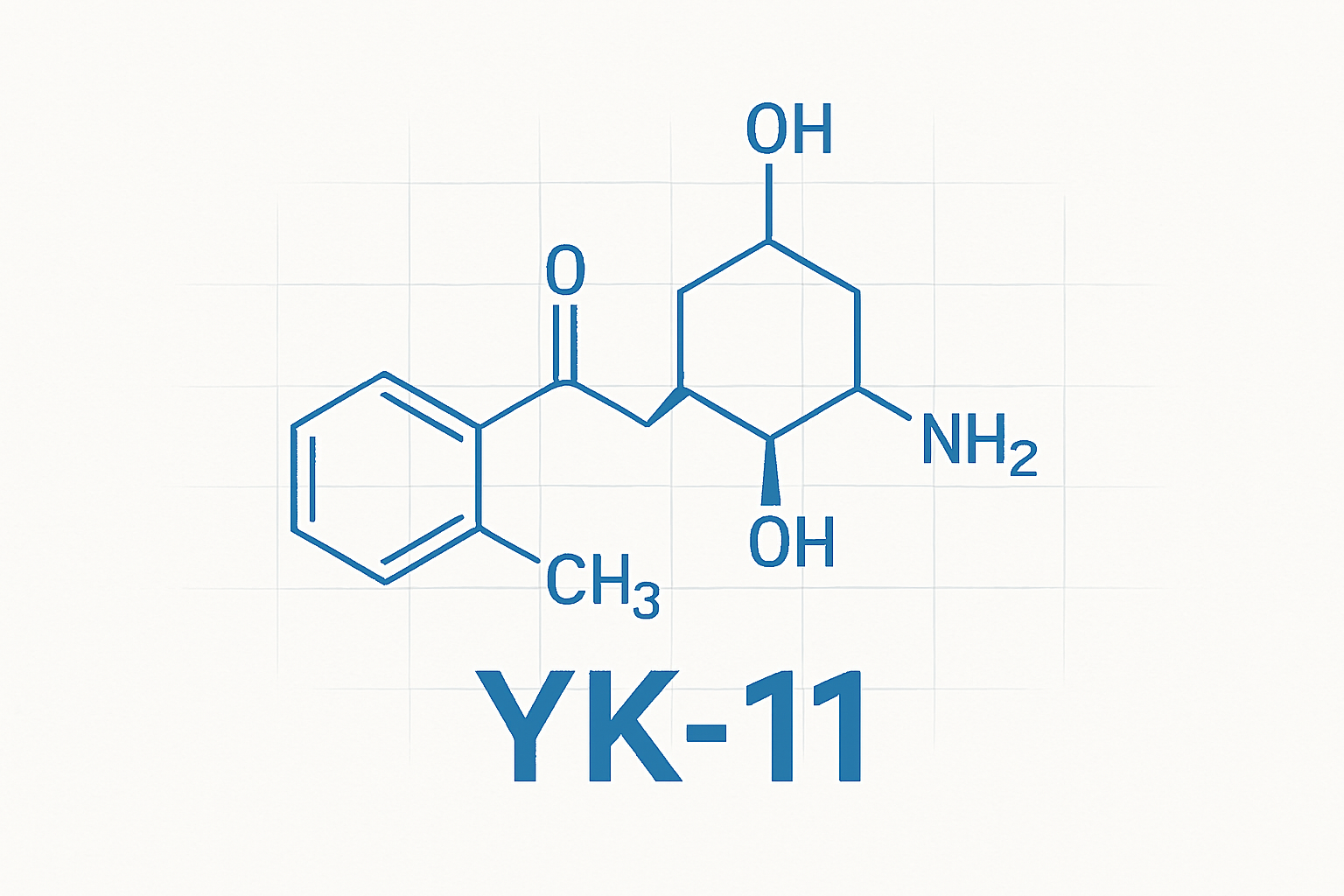
The Complete Guide to YK-11
Fitness Science. Physiology. Evidence. Risks.
YK-11 attracts interest because it targets two powerful systems in the body. The androgen receptor and the myostatin pathway. Many people place it in the SARM category, yet its structure and activity show a mixed identity. It behaves like a synthetic steroidal compound with partial SARM-like qualities. This creates confusion, strong claims, and a long list of unknowns.
This guide explains what scientists know about YK-11. You will learn how it works at the cellular level, which pathways it affects, why its effects look potent in theory, and why the risks sit higher than many people expect.
What YK-11 Is
Researchers classify YK-11 as a synthetic steroidal molecule. It binds to the androgen receptor. It triggers anabolic signals inside muscle cells. It also interacts with the myostatin and follistatin system. This dual activity sets it apart from other popular research SARMs.
YK-11 appears in scientific literature as an experimental compound. It is not approved for human use. No clinical trials evaluate long-term safety, endocrine effects, cardiovascular impact, liver strain, or neurological outcomes.
Despite this, YK-11 generates interest in fitness circles because it sits at the intersection of androgen biology and growth signaling.
How YK-11 Works
YK-11 influences two major systems.
1. Androgen Receptor Activation
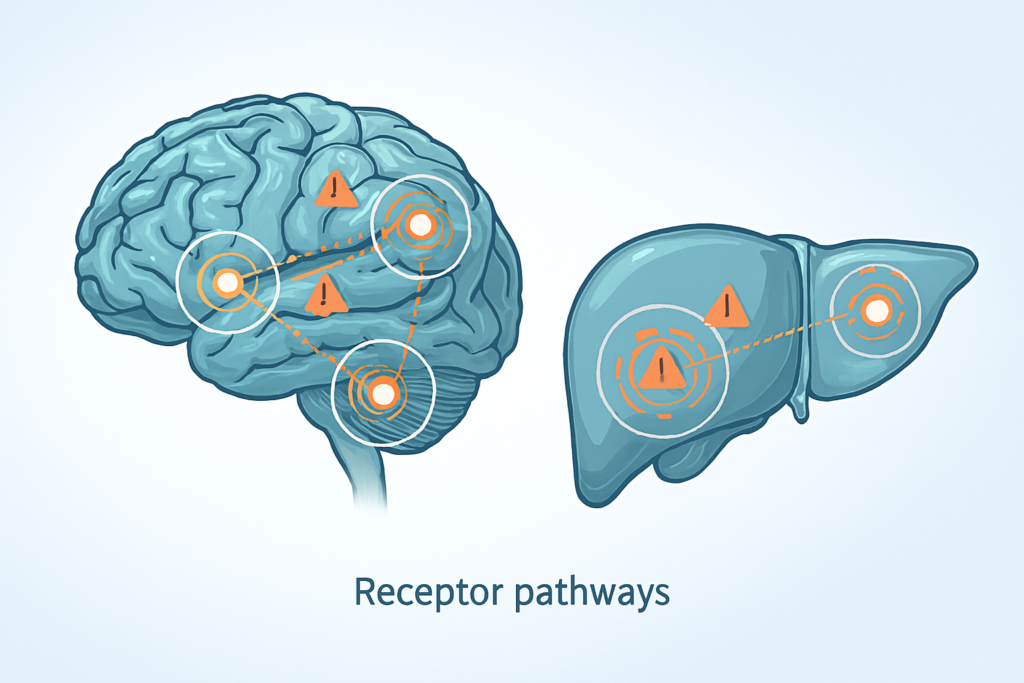
Most anabolic signals start at the androgen receptor. When a compound binds this receptor, it triggers protein synthesis pathways. This can elevate anabolic activity inside muscle tissue.
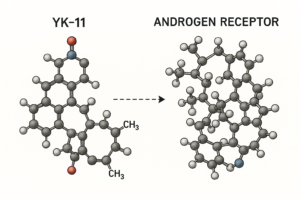
YK-11 does not bind the receptor in the same way as non-steroidal SARMs. Its structure resembles DHT. This gives it a unique interaction profile. Some cell studies show partial activation with a different pattern of downstream gene expression. This creates a distinct anabolic signature.
2. Myostatin and Follistatin Modulation
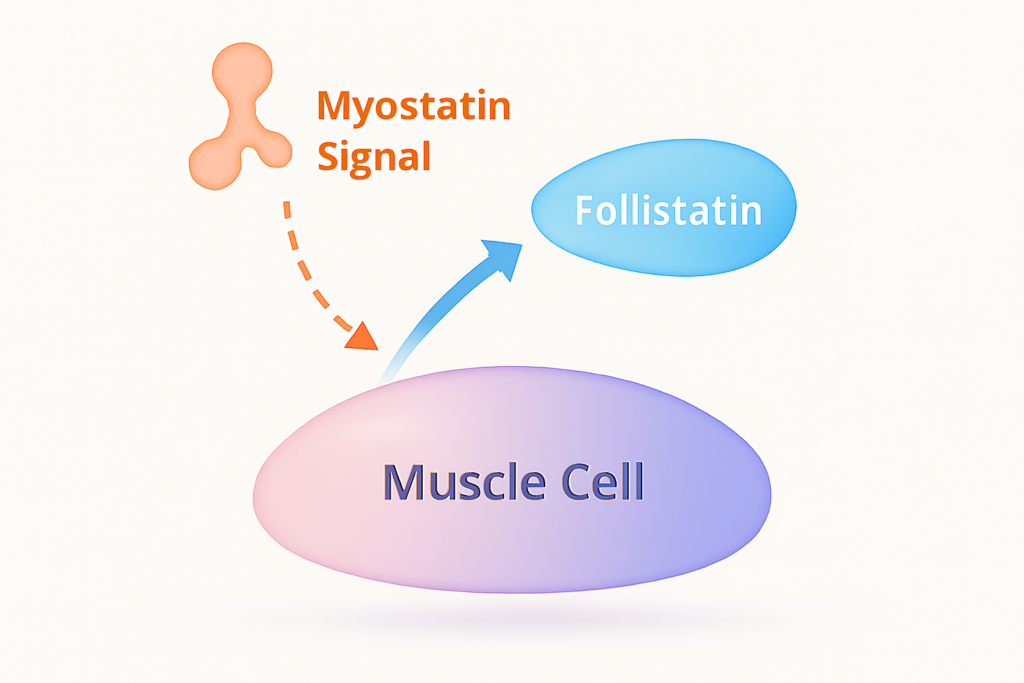
Myostatin limits muscle growth. Follistatin helps suppress myostatin. The balance of these two proteins influences muscle size.
Early research on YK-11 in vitro suggests it may raise follistatin levels. This could reduce myostatin activity. This pathway is powerful. Small shifts can create strong muscle effects. This is why the myostatin system attracts attention in strength science.
No controlled human data confirms these effects. All observations come from cell models. These models show direction but do not predict real outcomes in people.
Why YK-11 Draws Attention in Fitness Science
Athletes and bodybuilders study YK-11 because its mechanisms cover two targets at once. Androgen signaling and myostatin signaling. This combination does not appear in most other compounds.
Below are the core scientific reasons it generates interest.
1. Anabolic Signaling From Two Angles
Muscle growth depends on protein synthesis and satellite cell activation. Androgen signaling supports both. Myostatin limits both. A compound that influences both systems could produce strong muscle effects in theory.
2. DHT-Like Activity
DHT has strong affinity for androgen receptors in muscle, bone, and the central nervous system. YK-11 resembles DHT. This structural link leads many researchers to study how its receptor profile compares.
3. Potential Impact on Strength Physiology
Satellite cells help repair and grow muscle fibers. Myostatin slows their activity. Follistatin helps release this brake. If YK-11 raises follistatin in human tissue, the satellite cell response could shift. This could influence strength development and recovery. No clinical data confirms this.
What Science Knows About Benefits
Scientists cannot confirm real benefits in humans. Only cell studies and biochemical models exist. These show potential directions, not outcomes.
Muscle Protein Synthesis
Androgen receptor activation supports anabolic pathways. YK-11 activates this receptor in vitro. This suggests possible anabolic effects.
Satellite Cell Activity
Reduced myostatin levels can raise satellite cell activity. This may influence muscle growth potential. YK-11 shows signals in this direction in early lab models.
Bone Tissue Signals
Some SARMs stimulate bone formation. Because YK-11 interacts with androgen receptors, some researchers expect possible effects on bone turnover. No studies confirm this.
Body Composition Models
If YK-11 increases follistatin in human tissue, it could shift lean mass and fat mass ratios. This remains unproven.
Documented and Theoretical Risks
YK-11 carries unknowns because no human research exists. Theoretical risks come from biochemistry, receptor activity, and reports seen in research communities. None of these risks have controlled clinical data.
1. Hormone Disruption
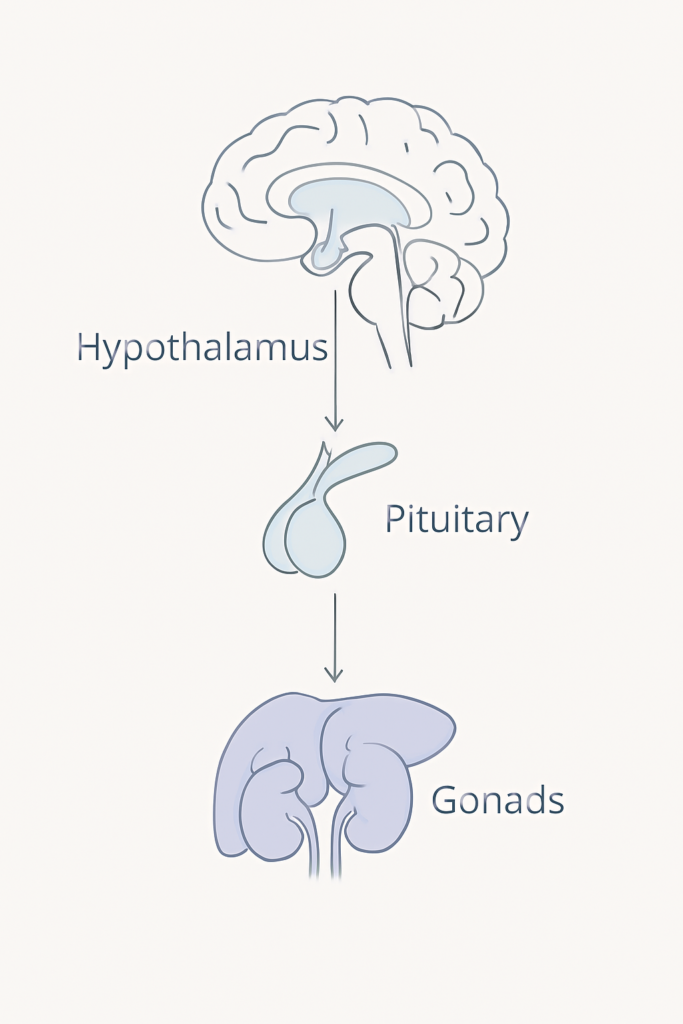
Androgen receptor activity can influence the hypothalamic-pituitary-gonadal axis. This axis controls testosterone, LH, and FSH. A synthetic steroidal compound can affect natural hormone production. Researchers cannot predict the scale or timeline of disruption.
2. Liver Stress
Steroidal compounds can affect liver enzymes. YK-11 has a steroidal backbone. Scientists cannot confirm how it impacts liver metabolism or detox pathways. Reports from research circles often note elevated liver markers.
3. Cardiovascular Strain
Changes in lipids can occur with androgenic compounds. This includes lowered HDL and raised LDL. No clinical data shows how YK-11 influences cholesterol, blood pressure, or endothelial function.
4. Hair, Skin, and Prostate Effects
DHT-like activity can influence hair follicles and sebaceous glands. It can also influence prostate tissue. Scientists do not know how YK-11 behaves in complex human systems.
5. Neurological Effects
Androgen receptors exist in the brain. DHT-like compounds can alter mood, motivation, irritability, and reward pathways. No controlled studies map these effects for YK-11.
6. Joint and Tendon Concerns
Fast strength increases can place stress on connective tissue. This can influence tendons and ligaments. Because the myostatin system affects muscle rate limits, theoretical mismatch between muscle gain and tendon adaptation exists.
Why YK-11 Carries Higher Uncertainty Than Most SARMs
YK-11 lacks key research steps.
These gaps raise uncertainty.
1. No Clinical Data
Most SARMs have at least early human trials. YK-11 has none.
2. Steroidal Structure
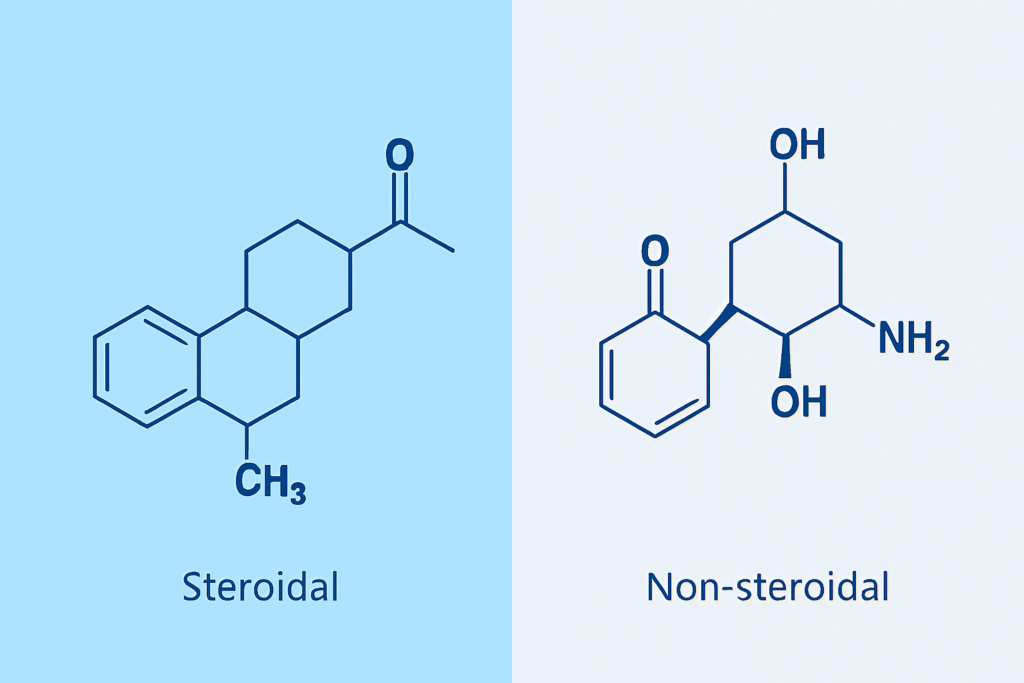
Its steroid backbone raises different metabolic concerns than non-steroidal SARMs.
3. Dual Pathway Effects
Myostatin and androgen signaling both influence essential systems. This increases complexity.
4. Unknown Dose-Response
Researchers do not know how human tissue responds across different exposures.
5. Undefined Half-Life
No confirmed half-life data. This makes physiological prediction impossible.
6.No Safety Benchmarks
No long-term monitoring. No toxicity data. No organ-specific maps.
YK-11 vs Other SARMs
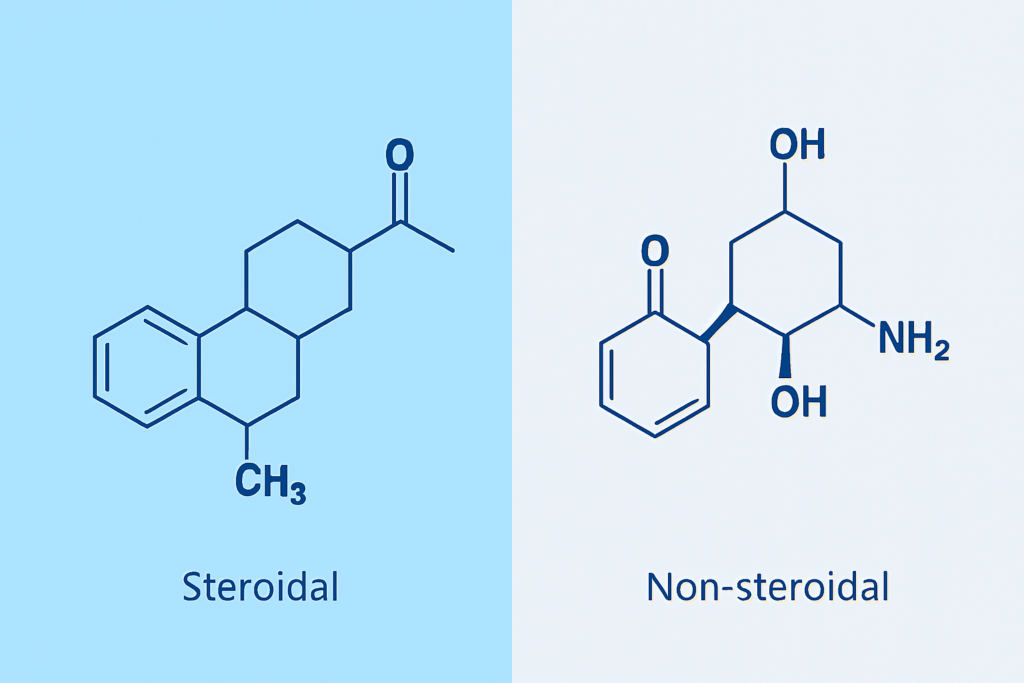
YK-11 does not behave like most SARMs.
1. vs Ostarine
Ostarine has human data. YK-11 does not.
Ostarine shows mild androgen activity. YK-11 shows more intense activity in cell studies.
2. vs RAD-140
RAD-140 has toxicity studies and some animal data. YK-11 lacks these.
RAD-140 is non-steroidal. YK-11 is steroidal.
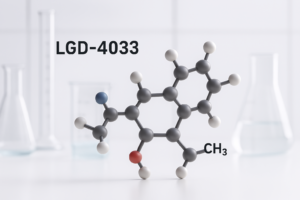
3. vs LGD-4033
LGD-4033 has defined effects on lean mass in clinical settings.
YK-11 has none.
4. vs S-23
S-23 is potent but still non-steroidal.
YK-11 acts on two systems at once.
YK-11 and Myostatin Science
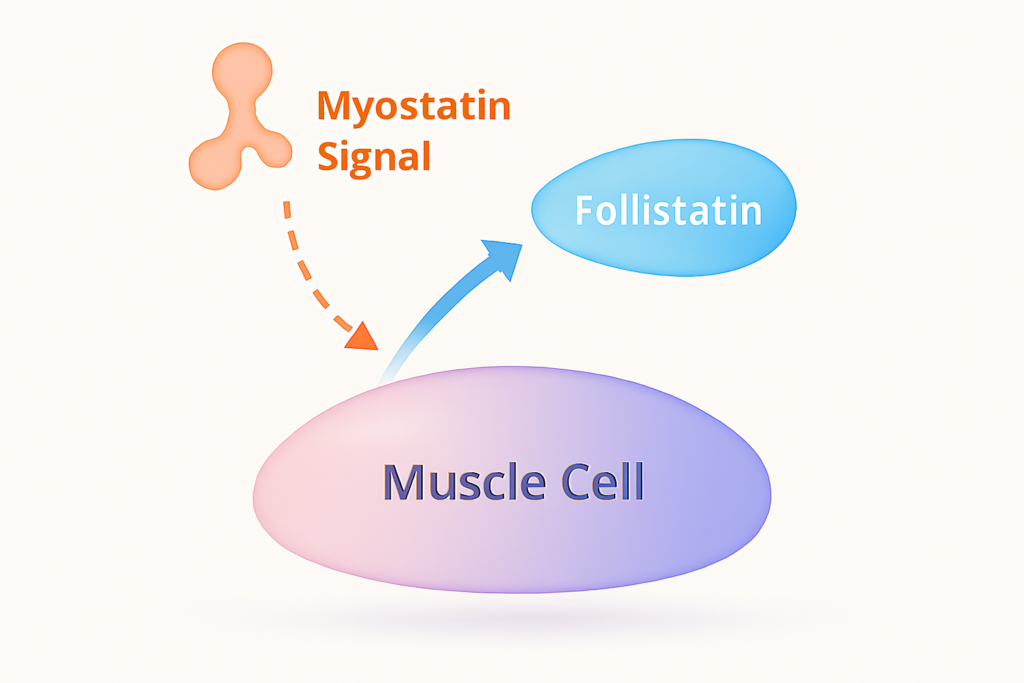
The myostatin system controls muscle growth. When myostatin levels drop, muscle potential increases. This is why animals with natural myostatin mutations show extreme muscularity.
YK-11 appears to influence this pathway by raising follistatin in vitro. This could reduce myostatin activity. Scientists cannot confirm this in human physiology.
Follistatin also affects many other tissues. It interacts with fertility pathways, growth factors, organ development, and inflammatory signals. This raises concerns when altering the pathway without clinical control.
The Role of Follistatin
Why It Matters
Follistatin binds myostatin. This allows muscle growth signals to rise. Yet follistatin also binds activin proteins. These proteins regulate cell growth, immune signals, reproductive function, and wound healing.
This means the follistatin system affects more than muscle.
Uncontrolled shifts can influence:
• reproductive biology
• organ growth
• tissue repair
• inflammation
• metabolic rhythms
This explains why scientists treat follistatin modulation with caution.
Genetic Models and Insights
Genetic studies on animals with altered myostatin or follistatin levels show:
• rapid muscle growth
• shifts in tendon and connective tissue strength
• changes in metabolism
• changes in appetite
• altered joint load patterns
• increased organ stress under heavy body mass
YK-11 does not replicate genetic changes. Yet it targets the same system. This gives researchers a reason to follow risks closely.
Endocrine Considerations in Fitness Science
The endocrine system runs on balance.
When one hormone shifts, others respond.
Key systems influenced by androgen activity include:
• testosterone regulation
• estrogen conversion
• DHT pathways
• cortisol interactions
• thyroid rhythm
• IGF-1 sensitivity
• gonadotropin output
YK-11 interacts with the androgen receptor. This can reshape multiple systems at once. Without human studies, researchers cannot map the full cascade.
Who Studies YK-11 and Why
Sports Scientists
They examine pathway influence on muscle and strength physiology.
Endocrinology Researchers
They look at androgen receptor selectivity and hormonal feedback.
Genetic and Molecular Biologists
They study the myostatin and follistatin system.
Pharmaceutical Scientists
They analyze whether YK-11 could serve as a model for new compounds.
None of these groups test YK-11 for athletic use.
YK-11 and Long-Term Unknowns
Unanswered questions include:
• How does it impact hormone levels over time
• How does the body metabolize it
• Does it alter liver enzymes
• Does it influence lipid profiles
• Does it impact mood or cognition
• Does it affect fertility
• Does it create tissue stress in heart or kidneys
• Does it alter tendon strength
• Does it disrupt endocrine rhythms
• Does it raise inflammation markers
• What happens after exposure stops
These gaps create uncertainty that overshadows any theoretical benefit.
Summary of Current Scientific View

• YK-11 is a synthetic steroidal compound.
• It binds the androgen receptor.
• It may raise follistatin in vitro.
• It may reduce myostatin activity in vitro.
• It shows strong anabolic signals in cell studies.
• No human research exists.
• Safety is unknown.
• Long-term effects are unknown.
• Mechanisms look potent, but risks remain high.
Researchers treat YK-11 as a complex, unverified experimental molecule.
All effects remain theoretical without human data.
FAQ
1. Is YK-11 a SARM
It behaves like a steroidal androgen receptor modulator. Researchers classify it as a synthetic steroid with SARM-like activity.
2. Is YK-11 studied in humans
No. There are no human trials.
3. Does YK-11 lower myostatin
Cell studies suggest it raises follistatin, which lowers myostatin activity. Human effects remain unknown.
4, Why do people compare it to DHT
Its structure resembles DHT, and it shows DHT-like receptor interactions.
5. Does YK-11 affect hormones
Any androgen receptor modulator may influence hormone balance. No controlled data maps the actual effect size.
6. Is YK-11 safe
No research confirms safety.
Related Article: Essential Guide: How to Take Liquid SARMs Safely and Effectively